Spring is one of the best times to improve curb appeal because winter conditions often reveal exactly what the front of a property needs. Worn walkways, poor drainage, damaged garden edges, tired entry details, and patchy lawn areas become easier to spot once the season changes.
For homeowners in London, Ontario, spring curb appeal projects are not only about making a home look better from the street. They can also improve safety, drainage performance, usability, and the overall impression of the property.
This guide covers practical landscaping and exterior upgrade ideas that help homeowners plan curb appeal improvements in a more useful and informed way.

Road surrounded by buildings and gardens after the rain in canterbury in the uk
Why is spring a good time to improve curb appeal?
Spring is the point when many exterior issues become visible after snow, ice, and repeated freeze-thaw cycles.
This makes it a good time to assess:
- lawn condition
- soil grading
- walkway movement
- front-step wear
- damaged edging
- downspout discharge patterns
- front-entry appearance
Planning during spring also gives homeowners more time to schedule landscaping and exterior work before summer demand becomes heavier.
What should homeowners inspect first?
The best curb appeal improvements usually begin with a walk-around of the property rather than immediate material selection.
Useful things to inspect include:
- pooling water near the home
- muddy or worn traffic paths
- cracking or shifting walkways
- faded front-entry details
- overgrown or poorly defined garden beds
- tired lighting fixtures
- uneven transitions between driveway, path, and entrance
This review helps separate cosmetic goals from functional repairs that should be handled first.
Why does drainage matter in curb appeal projects?
Drainage is one of the most overlooked parts of landscaping and exterior planning.
A front yard may look attractive after new planting or stonework, but if water is collecting near the foundation or saturating traffic areas, the problem is not truly solved.
Homeowners should review:
- low spots near the house
- downspout discharge direction
- grading that slopes back toward the home
- wet lawn zones
- soft areas around beds and walkways
Addressing drainage first helps protect both the property and the improvements added afterward

Beautiful young woman with bicycle standing on the street
What landscaping changes improve curb appeal the most?
Landscaping works best when it gives the front of the home more structure, definition, and seasonal appeal without creating excessive maintenance.
Common improvements include:
- reshaping garden beds
- improving edging
- refreshing mulch or ground cover
- adding balanced planting near the entry
- choosing plantings that suit sun and drainage conditions
- reducing cluttered or overgrown zones
The strongest landscapes usually look intentional, not overcrowded.
How do hardscape features help the front of a home?
Hardscape elements create order and help connect the house to the surrounding yard.
Features that often improve curb appeal include:
- walkway updates
- cleaner path transitions
- front-step repairs
- retaining edges where needed
- better entrance framing
Hardscaping is especially useful because it adds structure year-round, even when planting changes with the seasons.
What front-entry upgrades make a noticeable difference?
The front entrance often carries more visual weight than any other part of the exterior.
Relatively focused improvements can have a strong impact, such as:
- repainting or refinishing the front door
- replacing worn lighting fixtures
- updating planters
- improving stair or porch finishes
- repairing railings
- making the path to the entry cleaner and safer
When the entry feels dark, dated, or disconnected from the landscape, the whole house can feel less cared for than it actually is.

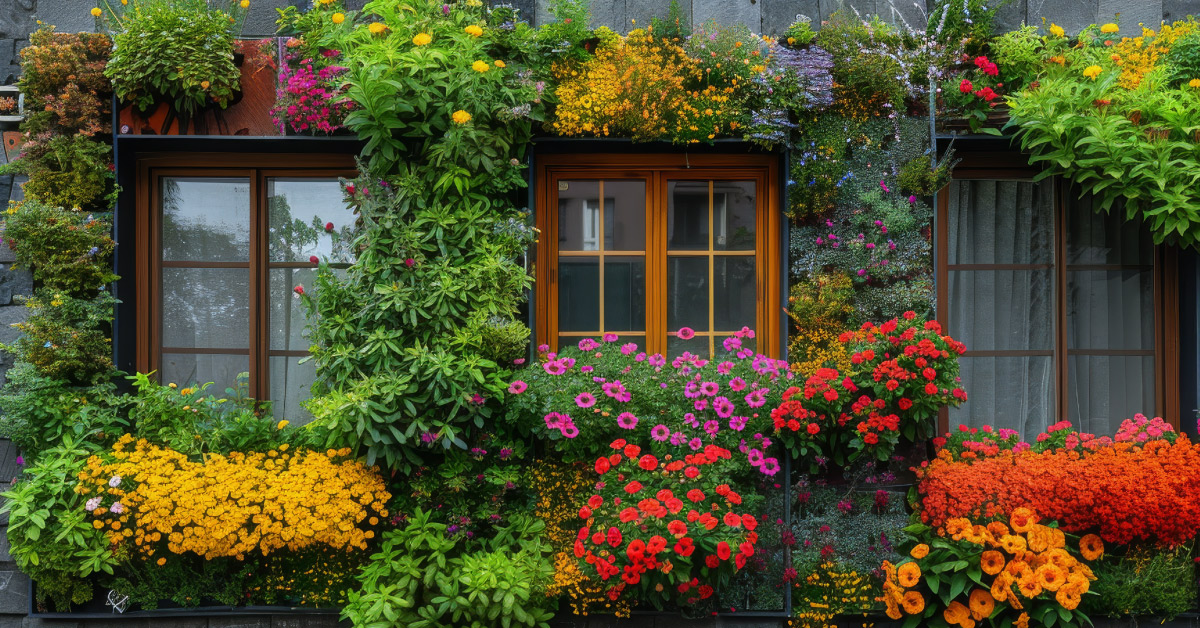
Brick building with floweradorned window in orange yellow and green
How should homeowners choose plants for curb appeal?
Planting decisions should be based on more than appearance on installation day.
Good planning usually considers:
- mature plant size
- sunlight exposure
- drainage conditions
- maintenance expectations
- seasonal color balance
- how the planting frames the home and walkway
Low-maintenance landscapes can still look polished when plant choices fit the site well.
Can curb appeal upgrades also improve safety?
Yes. Many exterior improvements support both appearance and function at the same time.
Examples include:
- leveling uneven walkways
- improving step visibility
- updating lighting
- repairing railings
- reducing slippery or muddy approach areas
This is especially valuable for households that want the property to feel more comfortable and easier to navigate in different weather conditions.
What curb appeal mistakes should homeowners avoid?
Some of the most common mistakes include:
- focusing only on flowers and ignoring drainage
- overcrowding planting beds
- choosing materials that do not suit local weather
- updating landscaping without improving the entrance area
- adding decorative elements without solving worn or damaged surfaces first
The most effective curb appeal plans usually work in the right order: function first, then finishing touches.
How can homeowners plan spring landscaping projects more effectively?
Homeowners usually get better results when they:
- inspect the property after winter
- prioritize drainage and access issues first
- identify the entry zone as a focal point
- choose materials and plants that match upkeep goals
- schedule work before the busiest part of summer
That approach creates a plan that is easier to manage and more likely to hold up well through the season.
Spring curb appeal ideas
Often it is drainage, walkway condition, or the front-entry area. These factors affect both appearance and function.
Not always. In many cases, targeted upgrades to beds, edging, lighting, and the entrance area can create a big visual improvement.
Spring makes winter damage easier to identify and gives more time to schedule improvements before contractor demand increases further.
Yes. Good landscaping and exterior planning can also improve drainage, safety, access, and ease of maintenance.
Conclusion
Spring curb appeal upgrades in London, Ontario work best when they combine landscaping, hardscape structure, drainage awareness, and front-entry improvement in one practical plan. The goal is not just to make the home look nicer for a moment, but to improve how the property performs and feels over time.
Well-chosen exterior upgrades can create a stronger first impression, support safer access, and make the home feel more complete throughout the season. That is why the best spring curb appeal projects usually start with observation, then move into improvements that balance beauty with function.