Demolition & Removal Services in London, ON

We can help you finance your project and pay over 12, 24 or 36 months.

Safe interior demolition, debris removal and specialty material removal support for renovation projects in London, ON.

Safe Job Sites | Licensed Team | Interior Demolition | Cleanup Included

Mold-Related Material Removal

We are prepared for houses or buildings with mould contamination. This could be due to different reasons: flooding in bedrooms, leaky roofs, building maintenance problems or plumbing problems. Molds can grow in your house at around 4° Celsius and can survive within a large range of temperatures.

Mold can be found in dark places damp, (kitchen, bathrooms, basement or flooded bedrooms and basements, plumbing spaces, areas with no or poor ventilation and outdoors in humid surroundings). Mold contamination may also be caused by incomplete drying of flooring materials such as concrete and carpets and can cause health problems.

We offer mold removal and disposal services, mold containment set ups, removal of contaminated contents and materials, and complete vacuum and cleaning services. We have the people with the proper licenses for that kind of work.

KNOW YOUR MOLD AND MILDEW

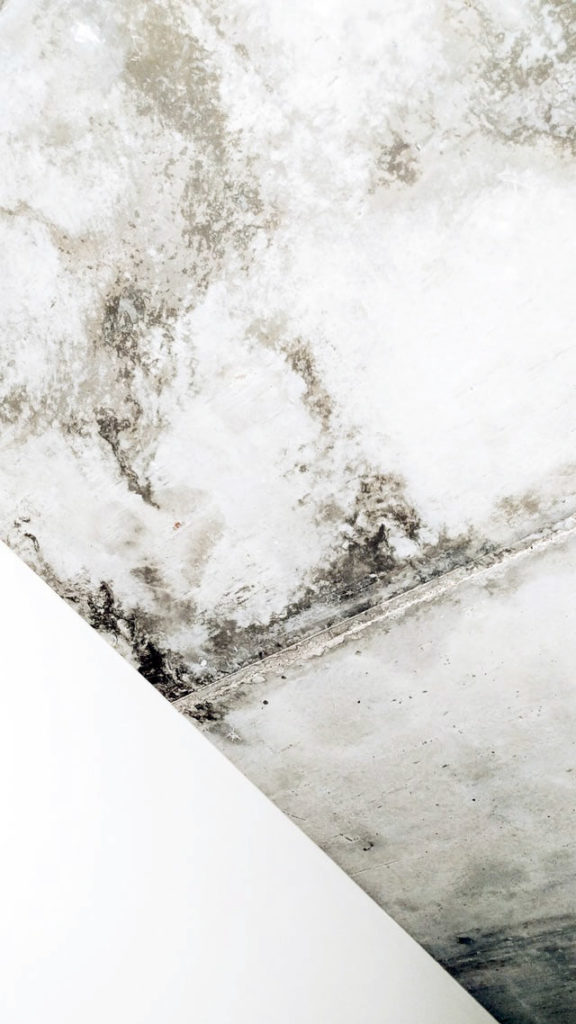
Mold can grow in your home wherever there’s an abundance of moisture, especially when it’s allowed to remain for extended periods of time. Mold usually appears on walls, ceilings and floors of homes where moisture management is not at its best. In particular, basements, shower walls and windowsills are areas where mold commonly likes to live. Mold and mildew, for all intents and purposes, are essentially the same thing; mildew is generically used to describe many minor mold problems in the home, such as on shower tile grout. However, some molds can become highly toxic to people if left to prosper. Mold can cause allergic reactions, asthma and other respiratory complications, and is especially a risk for small children, the elderly and those with existing respiratory illnesses or weakened immune systems. Mold can appear in many shapes and colors, none of which accurately determines the actual species of mold. However, it does commonly present itself in various tints of black, white, green or blue, and in many combinations of these and other colors.

REMOVE MOLD FROM DRYWALL/PAINTED WALLS

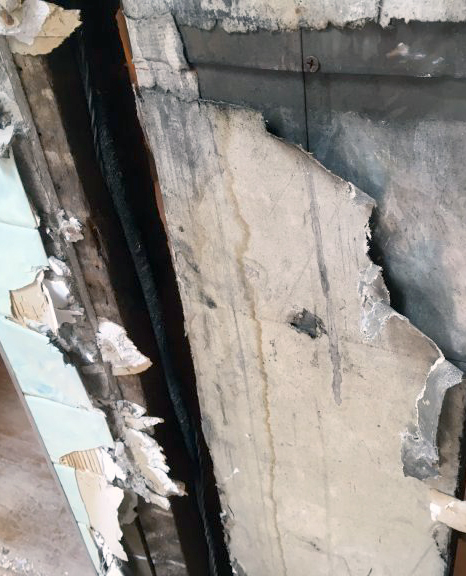
Mold can often grow on drywall and painted interior walls, especially in areas where moisture and humidity are a factor, such as kitchens and bathrooms. Walls can also be affected if your roof or exterior walls are infiltrated by water. If the drywall remains wet, mold can begin to grow and penetrate the drywall throughout. When this happens, the drywall must be removed and replaced, as you will not be able to get rid of all mold under these circumstances.

STEP 1 Assess the Damage If you notice mold on any interior walls, assess the condition of the wall and the extent to which the mold has taken over. If the drywall has been compromised, is crumbling or bowed out and covered with black or bluish splotches, it will need to be replaced. If the wall is structurally sound but still covered with mold, you should be able to remove the spots with a cleaner and a bit of scrubbing.

Safety Alert! Some mold is better off remediated by professionals because it may be harmful when present in large amounts. While unlikely, unless your home has extensive water damage

from flooding or some other catastrophe, you probably won’t come across an excessive amount of this kind of mold, commonly referred to as “black mold.” If you do have large amounts throughout an interior area—anywhere around 10 sq. feet—it is recommended that you call a professional to have it removed.
STEP 2 : Prepare the Area Because you’ll be using bleach or commercial mold-killing chemicals to remove the mold, you’ll need to protect surrounding surfaces, such as flooring, from any kind of spills that might cause damage. Cover the floor with plastic drop cloths and tape them into place so they don’t move around. It doesn’t hurt to keep some old towels handy to catch any spills.

STEP 3 Get Rid of the Mold The best thing for removing mildew and mold from walls is a bleach/water solution. Mix one part bleach to three parts water and apply it with a sponge or rag. There are also a number of commercial solutions available at your local True Value hardware store.

  • Safety Alert! Wear waterproof rubber gloves when cleaning with bleach or other cleaners to protect your hands.
  • Helpful Tip In kitchens and bathrooms, tile grout can sometimes develop patches of mildew. You can scrub this away with an old toothbrush. Wash down the walls after you’ve scrubbed.

STEP 4 Use a Stain-Blocking Paint When you’ve finished cleaning away   the splotches of mold, there still may be stains left on wall surfaces. Prime the wall with True Value EasyCare® Ultra Premium Interior Primer/Sealer then paint using True Value EasyCare® Ultra Premium Interior Paint as a topcoat.

Some mold is better off re-mediated by professionals because it may be harmful when present in large amounts. While unlikely, unless your home has extensive water damage from flooding or some other catastrophe, you probably won’t come across an excessive amount of this kind of mold, commonly referred to as “black mold.” If you do have large amounts throughout an interior area—anywhere around 10 sq. feet—it is recommended that you call a professional to have it removed.

Davinci Contractors provides professional removal of damaged drywall and affected materials as part of demolition and renovation preparation. We assess the area, contain the work zone, remove compromised materials and prepare the space for the next stage of the project.

Mold
Asbestos

Asbestos

Asbestos can be found on building beams, fireproofing columns or on acoustic ceiling as well as under vinyl sheeting and mastic, vinyl floors, glues and roof shingles, drywalls, around window caulking, among many other places and they can cause serious health issues.

Services:

Inspections
Asbestos-Related Work
HEPA Vacuum and Cleaning of Structures and Contents,
Removal of Contaminated Materials and Contents
Air Test.

Asbestos-related work must be reviewed carefully before removal begins. Scope, compliance requirements and site conditions should be assessed before the project moves forward.

Interior Demolition

Services:

  • Removal of interior drywall,
  • Removal of stairs, door frames, window frames,
  • Removal of electrical panels, removal of domestic water pipes, heating pipes
  • Removal of boilers

For this we can do: removal of interior drywall, stairs, door frames, window frames, removal of electrical panels, removal of domestic water pipes, heating pipes removal of boilers

The first step toward getting your house demolished involves getting your home inspected, then you’ll need to collect the necessary permits.

Your demolition contractor should help you with the permitting process, but be sure to. Clarify this with them when getting a quote for the project.

Typically, the house demolition process involves the following steps…

Step 1: Get the building inspected.

Step 2: Acquire the necessary permits.

Step 3: Disconnect existing services.

Step 4: Tear down the house.

Step 5: Haul away the debris.

Deconstruction Also known as “green demolition” or “demolition by hand,” deconstruction is the process of manually stripping and deconstructing the house piece by piece with the intent of salvaging as many of the materials inside the home as possible.

Another option is a combination of the two—partially deconstructing your home by hand before having the rest of the house demolished with an excavator—and is a way to save some money on demolition.

How much does house demolition cost?

Traditional mechanical demolition is the cheapest and fastest house demolition option, costing $5,000 – $15,000 on average.

Because of the additional labor involved, you can expect to pay 2 – 3x as much to have your home deconstructed by hand.

Just as there’s more than one way to demolish a house, demolition costs vary, too.

Main Factors Affecting House Demolition Costs:

  • Size of your home
  • Materials your home was built with
  • Location of your home
  • Demolition method used
  • Contractor you hire

Barn demolition is pretty straightforward and typically involves using an excavator to tear down all that wood.

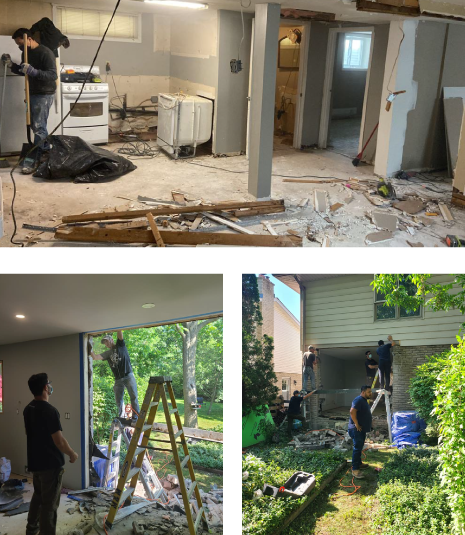
Interior demolition prepares kitchens, bathrooms, basements and commercial interiors for the next phase of work. We review the site, define the scope of removal, prepare the work area, complete demolition safely and finish with cleanup.

Interior Demolition

Debris Removal & Cleanup

Debris removal and cleanup help leave the site ready for renovation, rebuilding or final finishing work. This reduces delays and helps the next phase start in a cleaner, safer space.

Projects
We Support

We support demolition and removal work for interior renovation projects that need safe prep, controlled removal and job-site cleanup before rebuilding begins.

Kitchens / Bathrooms / Basements / Commercial interiors

See examples of hardwood, laminate, vinyl, tile and carpet flooring projects completed by Davinci Contractors in London, ON.

Demolition FAQs

We offer demolition and removal support for renovation-related projects, including interior demolition, debris removal, and site cleanup. The final scope depends on the condition of the space and the work required.

Yes. Interior demolition can be part of kitchen, bathroom, basement, and similar renovation projects where safe removal is needed before construction begins.

Yes. Debris removal and cleanup can be included so the site is better prepared for the next phase of construction or renovation.

Yes. Demolition is often the first step before a renovation begins, helping clear the space, remove damaged materials, and prepare the area for the new build.

Interior demolition pricing depends on the size of the area, access, disposal requirements, and the type of materials being removed. We provide project-specific quotes after reviewing the site.

The timeline depends on the project scope, access conditions, safety requirements, and cleanup needs. After the assessment, we can provide a more accurate schedule.

We can review mold-related removal needs and explain the appropriate next steps based on the condition of the space. The recommended approach depends on the severity of the issue and the materials involved.

If asbestos-related concerns are identified, the scope must be reviewed carefully before work begins. Safety procedures, disposal requirements, and any specialized compliance needs should be addressed based on the project conditions.

Some demolition projects may require permits, depending on the scope and location of the work. We can help identify when additional approvals may need to be reviewed before starting.

You can contact Davinci Contractors through the website or by phone to request an estimate. We will review the scope, discuss the site conditions, and outline the next steps.

We’ll nail your next project, because nobody wants a screw-up!